
Skip to Main Content

SCRAM Blog

Alcohol Monitoring

-OR-

Client Voices: How a Service Provider’s Encouragement Led to Recovery

The road to recovery is often long and filled with detours, and for Danny, it took treatment and a few key people that believed in him to reach a sober life: SCRAM CAM®, a judge, and his SCRAM Systems Service Provider. All of these combined elements gave Danny the tools and encouragement he needed to make his way, one minute, hour, and day at a time without alcohol.

Save Time and Resources with Portable Alcohol Monitoring

Many courts and community corrections agencies consistently feel the pressure of casework overload. Efficient alcohol testing and monitoring is a crucial factor in reducing case backlogs and can provide more time for quality client interaction. Accurate and reliable alcohol testing technology is the key to saving time and resources, and portable alcohol monitoring is at the top of the list.

Ignition Interlock Devices—Does Size Matter? 

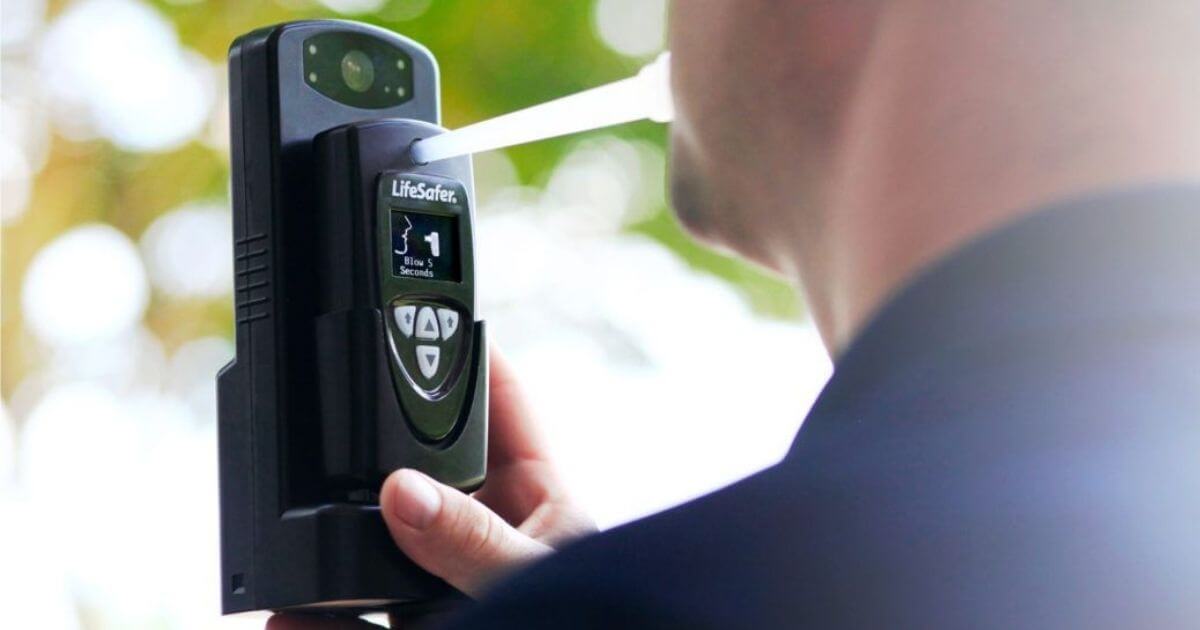
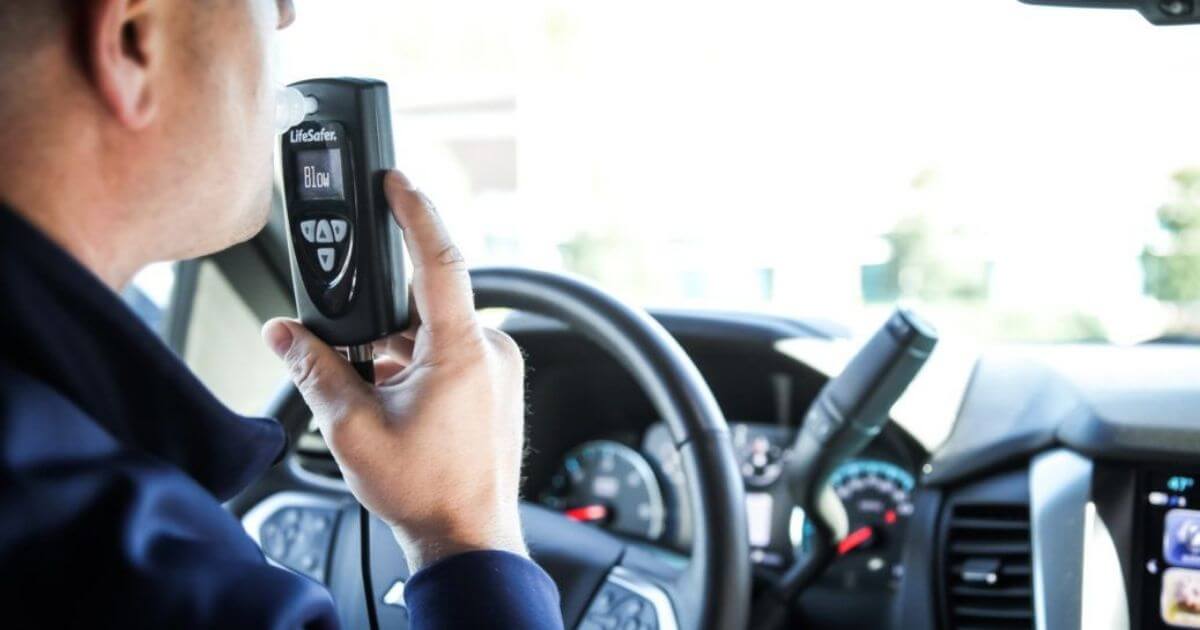
Some alcohol monitoring clients need an ignition interlock device (IID), sometimes called a vehicle breathalyzer—but is the size of an IID important? For community corrections departments or supervision agencies that offer, or are considering offering interlock devices, size does matter. When comparing different IIDs on the market, LifeSafer® ignition interlock devices are smaller and more discreet and provide reliable BrAC readings.

Empowering Clients to Regain Their Freedom to Drive

The focus of any court-mandated ignition interlock program is to keep participants, their families, and their communities safe. Statistics show that having an ignition interlock device (IID) installed in a vehicle greatly reduces the rate of alcohol-related crashes and fatalities. Successful mandated and voluntary program completion also promotes client recovery.

Detecting Ingested Alcohol: TAC vs. BrAC

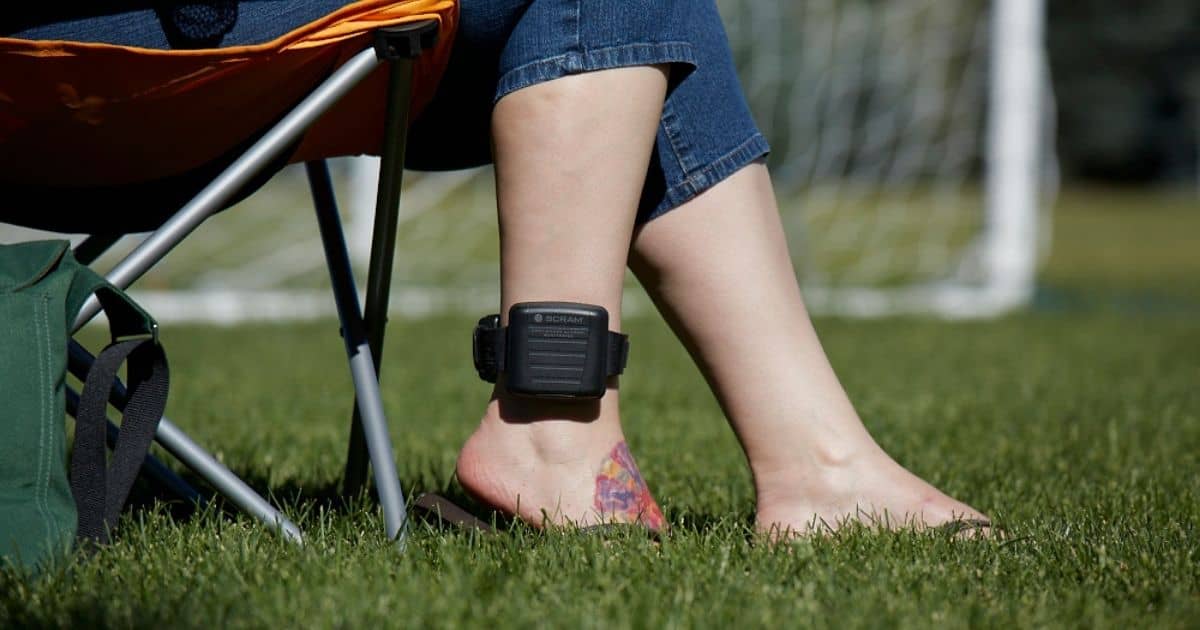
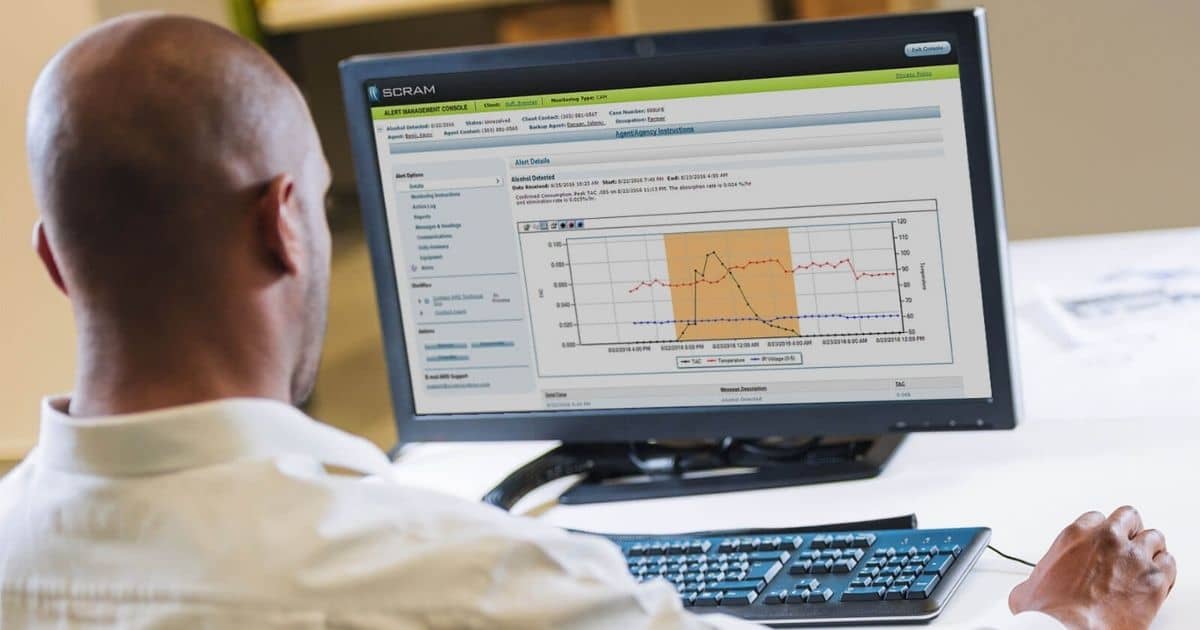
Common methods of testing a person’s level of ingested alcohol include Blood Alcohol Concentration (BAC) and Breath Alcohol Concentration (BrAC). But alcohol concentration can also be measured transdermally—meaning “through the skin”. The SCRAM Continuous Alcohol Monitoring® (SCRAM CAM®) bracelet is based on the science of transdermal testing and can measure the wearer’s Transdermal Alcohol Concentration (TAC) via perspiration.

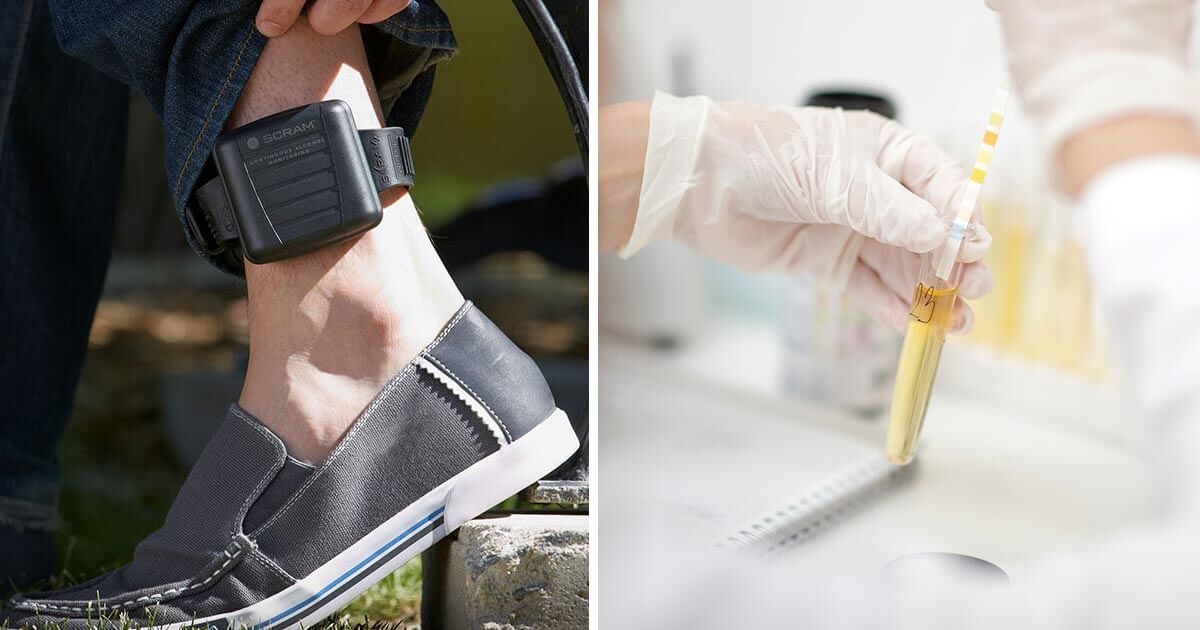
Alcohol Testing Technologies: SCRAM CAM® vs. EtG

Alcohol-involved clients need more than a one-size-fits all solution when it comes to supporting their sobriety. With so many different technologies available, it’s important that courts and agencies understand all the facts when determining which alcohol testing method to assign to each individual client. Read on to learn the differences between EtG testing and continuous alcohol monitoring technology.

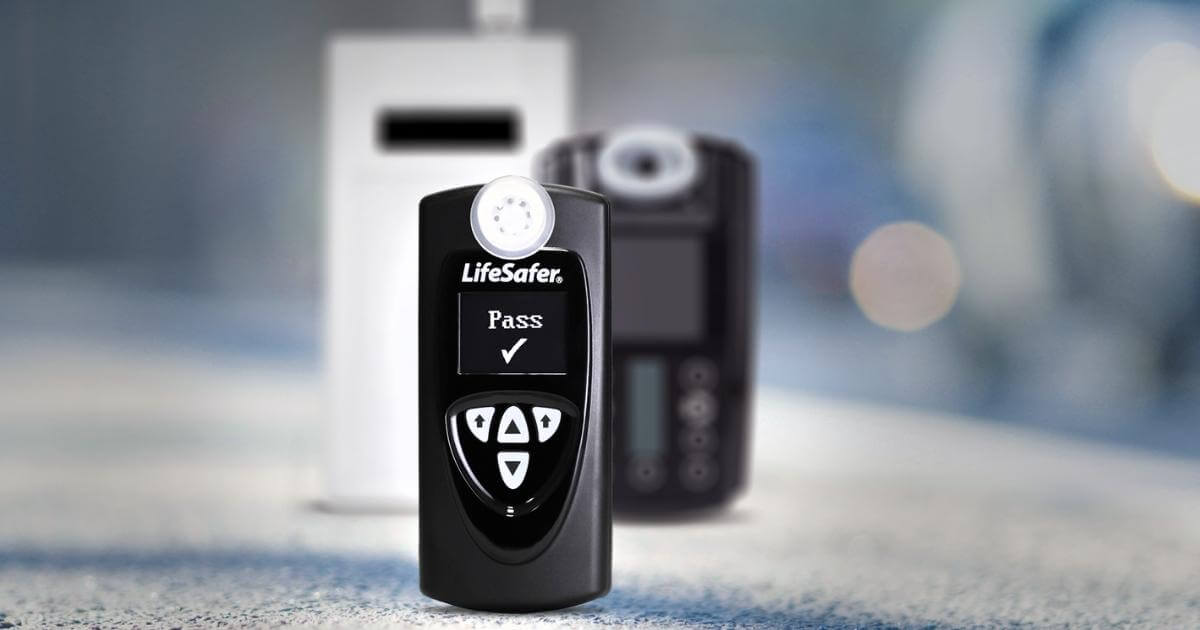
Alcohol Testing Technologies: SCRAM CAM® vs. Breath Testing

With so many different alcohol monitoring technologies available, it can be challenging to determine which device or method will provide the best results for each individual client. It’s important that courts and agencies learn about the differences between breath testing and continuous alcohol monitoring technology before adding them to a client’s supervision plan.

The Ins and Outs of Alcohol in the Body

Alcohol use has been prevalent throughout history and that continues to be true today. Unfortunately, the adverse effects of alcohol use and abuse are well-known. The need for accurate and reliable methods to identify traces of alcohol in the body has led to the development of many technologies—each with its own features, benefits, and limitations.

SCRAM CAM Probation Officer

Integrating Alcohol Monitoring Technology into Probation Programs

Alcohol misuse, abuse, and addiction are common among probation populations—46% of probationers reported being under the influence of alcohol or drugs at the time of their offense and 14% are under supervision for a DUI. But probation departments across the country are emphasizing results-oriented supervision by leveraging technology to address alcohol-involved crimes.